
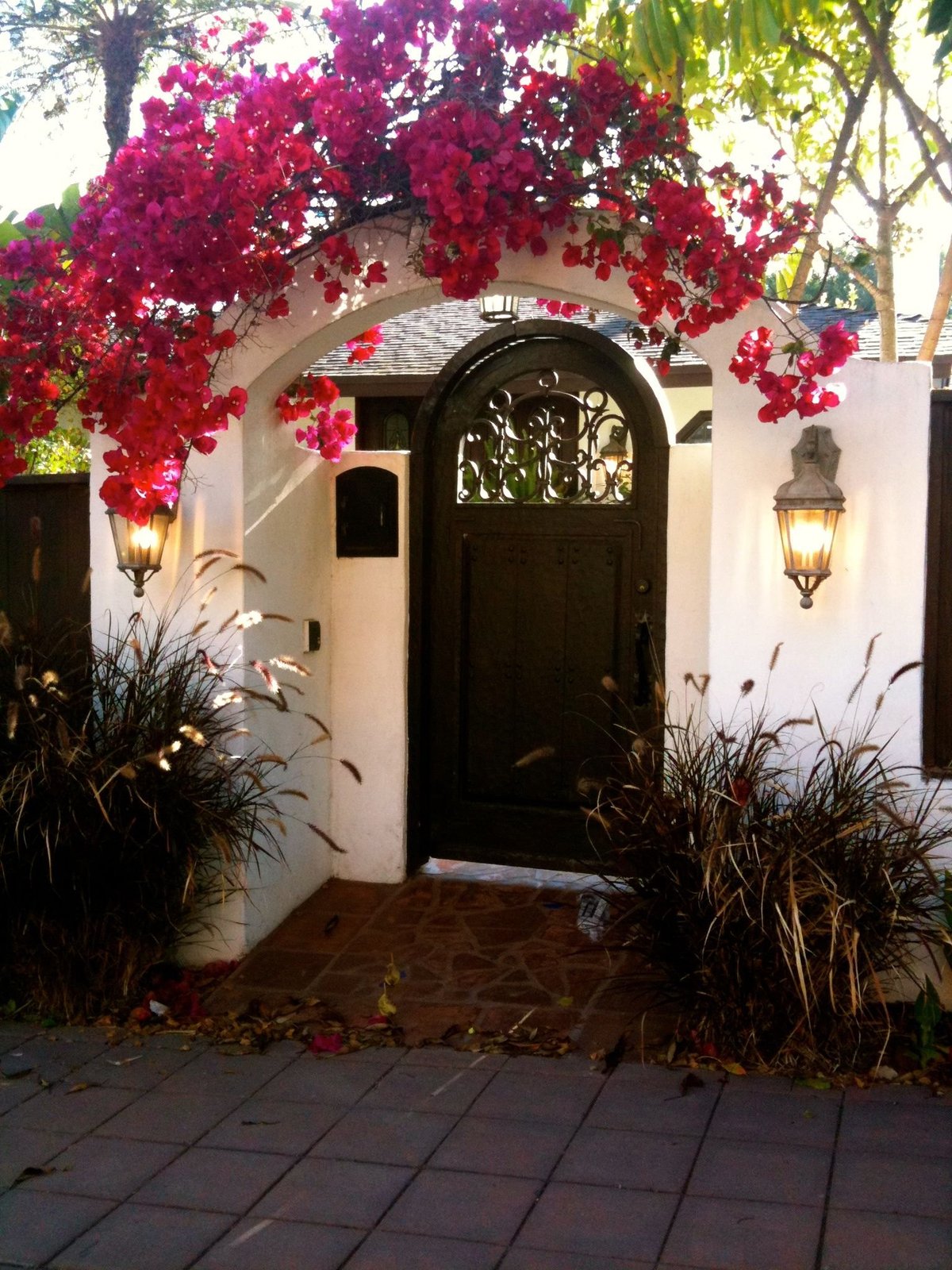
Buying a property in Spain sounds fabulous. Sunshine. Terrace. Pool. A bottle of wine that doesn't require remortgaging your existing house. What's not to love?
Quite a lot, actually, if you buy the wrong bloody property. Because while buying safely in Spain is perfectly possible, the Spanish buying process may work very differently from the system you're used to. And this is where international buyers get themselves into trouble.
They assume: "Surely somebody checks that?" Sometimes somebody does. Sometimes you were supposed to check it.
So before you fall in love with the bougainvillea and start mentally positioning your outdoor sofa, here's what you actually need to know.
Can foreigners buy property in Spain?
Yes. You do not generally need to be resident in Spain to own Spanish property. EU and non-EU nationals can buy property, including people purchasing:
- a permanent home
- a holiday home
- an investment property
- property before relocating to Spain
Foreign buyers will normally need an NIE, the Spanish identification number used for financial and administrative transactions including property purchases.
But here's something increasingly important: buying a house does not give you the right to live in Spain
Property ownership and immigration are two completely different things. You can own one apartment, four villas, or presumably half of Marbella — and that does not by itself give a non-EU citizen the right to live permanently in Spain.
Spain's property-based investor or Golden Visa route was abolished from 3 April 2025. So if you're buying because you're also moving to Spain, establish your residency position separately.
Please do that before buying the dream house and subsequently discovering you're legally allowed to spend considerably less time in it than you imagined.
Step One: Choose the area before choosing the house
I will bang this drum until somebody confiscates the drum. AREA FIRST. PROPERTY SECOND.
Because the most beautiful house in the wrong place is still the wrong house. Before falling in love with the pool, the mountain view, the roof terrace, the enormous kitchen or the suspiciously attractive price, work out whether the location actually fits your life.
Think about healthcare, supermarkets, transport, airport access, climate, winter life, noise, neighbours, internet, walkability, community, your need for a car, proximity to family or schools, and resale potential.
And please visit outside the main holiday season if you intend to live there permanently. August Spain and February Spain can be two completely different countries. That buzzing seaside town may become extremely peaceful in winter — which sounds lovely until you discover "peaceful" means your favourite 17 restaurants are closed. If budget is a major driver, our guide to the cheapest places to buy property in Spain covers the affordable inland and coastal areas where your money goes further.