Tax Guide

What Is IVA? Spain's Favourite Surprise Extra

Natasha Horner

Natasha Horner

Tax Guide · 5 min read

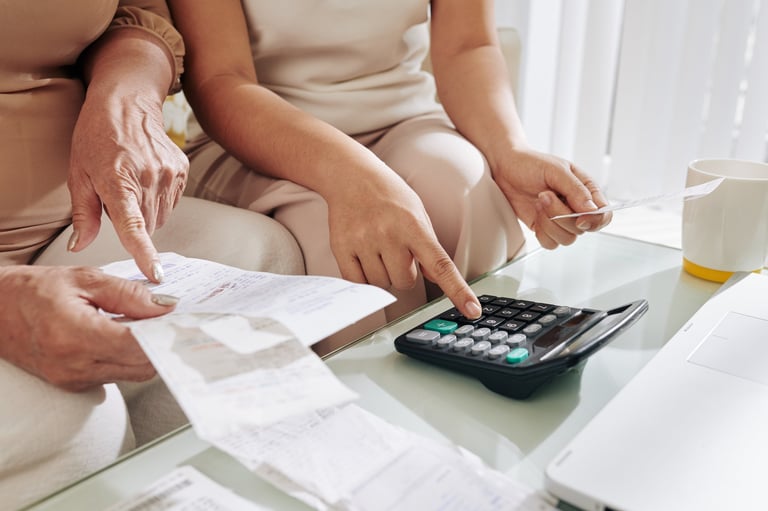
Two people reviewing financial documents and using a calculator together at a white desk

You've received a quote for €1,000.

Excellent. Affordable. Let's do it.

Then somebody adds two small words:

"Plus IVA."

Your €1,000 has suddenly become €1,210—and Spain has entered the chat.

What Is IVA?

IVA—Impuesto sobre el Valor Añadido—is Spain's version of VAT.

It's a tax added to goods and services. In shops, bars and restaurants, the displayed consumer price will normally include it.

The surprises tend to appear elsewhere: professional quotes, building work, business invoices and property purchases.

So whenever you receive a quote, ask:

"Is IVA included?"

Five seconds of mild awkwardness can save a much more dramatic conversation later.

Spain's Three Main IVA Rates

21%: The standard rate

This applies to most goods and services, including many professional services, electronics, furniture, beauty treatments and everyday purchases.

If no reduced rate or exemption applies, 21% is the usual starting point.

10%: The reduced rate

This applies to certain items and services, including many foods, restaurants, hotels, passenger transport and qualifying residential property or renovation work.

The word qualifying is doing some heavy lifting there. Not every renovation automatically gets the reduced rate.

4%: The super-reduced rate

This applies to specific essentials, including certain staple foods, books, newspapers and medicines for human use.

Spain may tax your haircut at 21%, but it shows more mercy toward bread.

IVA and Property

This is where the numbers become considerably less amusing.

Buying a resale property

You don't normally pay IVA. Instead, you pay ITP, or transfer tax. The rate depends on the autonomous region and your circumstances.

Buying a new-build property

Residential new builds are generally subject to:

  • 10% IVA
  • Stamp duty, known as AJD

That means a €300,000 new build doesn't simply cost €300,000.

Never plan a property budget using only the advertised purchase price. Taxes and buying costs need their own chair at the table.

IVA for the Self-Employed

If you become autónomo and your activity is subject to IVA, you will normally:

  1. 1 Add IVA to your invoices.
  2. 2 Collect it from your clients.
  3. 3 Deduct eligible IVA paid on business expenses.
  4. 4 Declare and pay the difference to Hacienda.

For example:

  • You collect €2,100 in IVA.
  • You pay €600 in deductible IVA on business expenses.
  • You may owe Hacienda €1,500.

The crucial point is this:

IVA is not your money.

It may be sitting in your bank account looking friendly, but it belongs to Hacienda.

Put it aside as soon as you receive it. Spending it and hoping your future self will solve the problem is how quarterly tax deadlines become horror films.

Are Any Services Exempt?

Yes. Certain medical, educational, financial and insurance services can be exempt from IVA.

But exemptions come with detailed conditions. Describing yourself as a teacher, therapist or coach doesn't automatically make everything you invoice exempt.

If you don't charge IVA when you should—or charge the wrong rate—Hacienda may still expect the money from you.

What About International Clients?

This is where the simple explanation stops being simple.

Whether you charge Spanish IVA can depend on:

  • Where your client is located
  • Whether they are a business or an individual
  • What service you provide
  • Where the service is treated as being supplied

Some transactions use the reverse-charge system; others may be outside Spanish IVA or subject to different rules.

This is not an area for guessing, optimism or Dave from Facebook.

The Plain-English Summary

IVA is straightforward until it isn't.

Remember these four things:

  • Consumer prices usually include IVA.
  • Quotes may not—always ask.
  • New-build property attracts IVA; resale property generally attracts ITP instead.
  • If you collect IVA as a business, it isn't income.

You don't need to memorise Spain's entire IVA system.

You just need to ask "Is IVA included?" before agreeing to the price—and get professional advice when property, renovations or international clients are involved.

That one question can prevent an unpleasant surprise accompanied by a calculator and several swear words.

This is general information, not personalised tax advice. IVA treatment depends on the precise product, service and transaction. Spain's current IVA rules and rates are contained in the consolidated Spanish IVA Law.

Not Sure How Tax, Quotes and Your Money Fit Together?

IVA, ITP, quotes, property and self-employment can quickly stop being simple—especially when international clients or large sums are involved.

If you are moving to Spain, working as autónomo, or buying property, book a Spain Move Readiness Call with me. We will identify the questions that need answering and the professionals you need—before expensive surprises turn up.

Book Your Spain Move Readiness Call
Natasha Horner

Natasha Horner

Relocation coach helping women move to Spain with clarity and confidence. Makes the confusing bits of Spanish life less confusing.

Keep Reading

More real talk and practical advice from The Clarity Library.

Browse All Articles